The Benefits of Community Living for Today’s Seniors
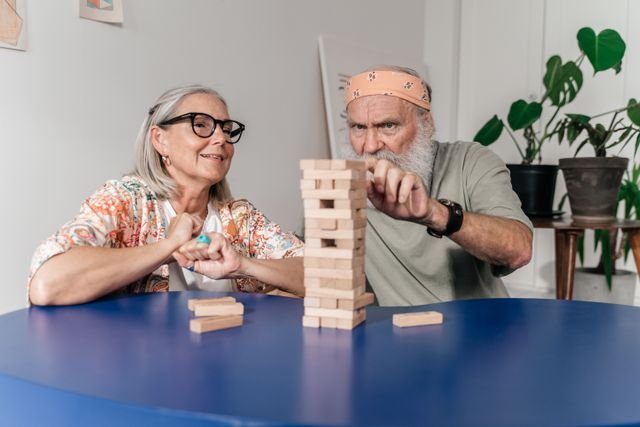
What happens when older adults move from isolated single-family homes into vibrant communities designed specifically for their needs? The answer often surprises families and seniors alike, revealing meaningful improvements in physical health, emotional well-being, and overall quality of life. Community living environments have become one of the most valuable housing options available to today’s seniors. Understanding these benefits can help older adults and their families make informed decisions about where and how to spend the retirement years.
Social Connection and Emotional Well-Being
Social isolation represents one of the most significant challenges facing many seniors today. When older adults live in community settings, they gain regular opportunities to connect with peers who share similar experiences and life stages. These interactions help create friendships and meaningful relationships that support emotional wellness.
Research consistently shows that seniors who maintain strong social connections experience lower rates of loneliness, depression, and anxiety than those who spend much of their time alone. Community living encourages these connections through shared dining experiences, life enrichment programs, clubs, and common gathering spaces where residents naturally interact throughout the day.
The benefits extend beyond companionship. Seniors who participate in community life often report a stronger sense of purpose and belonging. Shared experiences, from educational programs to volunteer opportunities, create supportive relationships that help residents remain connected and engaged. These daily interactions can also support cognitive wellness and overall quality of life.
Access to Health and Wellness Services
Community living environments often provide convenient access to wellness resources that make maintaining good health easier. Many communities offer medication management support, wellness monitoring, health screenings, and access to healthcare providers through partnerships with local medical organizations.
In addition to health-related support, many senior living communities emphasize preventive wellness through fitness classes, nutrition education, and wellness programs created specifically for older adults. A resident living with arthritis, for example, may participate in gentle fitness classes alongside friends, making regular movement more enjoyable and sustainable.
Families exploring options such as Assisted Living in Gilbert, AZ often appreciate the combination of personalized support, wellness resources, and opportunities for engagement available within an assisted living community setting.
The combination of professional support and peer encouragement helps integrate wellness practices into everyday life.
Safety and Peace of Mind
Living independently in a private residence can present challenges that become more significant with age. Falls, delayed emergency response, medication concerns, and home maintenance issues can all affect quality of life. Community living environments address many of these concerns through thoughtful design, emergency response systems, wellness checks, and trained team members available to provide assistance when needed.
Families often find comfort in knowing their loved one lives in a setting where support is nearby and the environment is designed with accessibility and safety in mind. Features such as monitored entrances, accessible common spaces, and maintenance support contribute to a more secure living experience.
Peace of mind also extends to everyday responsibilities. Community teams often handle maintenance, landscaping, housekeeping, and other household tasks, allowing residents to spend more time pursuing interests and connecting with others.
Simplified Living and Reduced Responsibilities
One of the most appealing aspects of community living is the ability to simplify daily life. Many seniors find relief in transitioning from the responsibilities of maintaining a large house to a lifestyle where routine upkeep is professionally managed.
This shift can free both time and energy for more meaningful pursuits. Instead of managing home repairs, yard work, and other ongoing responsibilities, residents can focus on hobbies, spending time with family, participating in life enrichment programs, or simply enjoying a more relaxed daily routine.
The financial side can also become easier to manage. Predictable monthly costs often replace many of the fluctuating expenses associated with maintaining a private residence, helping seniors and their families plan more effectively.
Opportunities for Continued Growth and Engagement
Senior living communities recognize that learning, creativity, and personal growth remain important throughout life. Many communities offer educational opportunities, discussion groups, artistic programs, volunteer opportunities, and special events that encourage residents to continue exploring new interests.
Residents may join book clubs, attend educational presentations, participate in art classes, or share their knowledge and experience with others. These opportunities provide intellectual stimulation while helping residents remain involved in community life.
Many communities also encourage residents to contribute through volunteer opportunities or resident-led committees. These experiences foster a sense of purpose and reinforce the value of lifelong participation and contribution.
Conclusion
Community living has evolved into a lifestyle choice that supports multiple aspects of senior well-being. The benefits include stronger social connections, convenient access to wellness resources, enhanced safety, fewer household responsibilities, and opportunities for continued learning and engagement.
Rather than reducing independence, community living often helps seniors maintain greater choice, dignity, and quality of life by providing the support and resources needed to focus on what matters most. For many older adults and their families, a thoughtfully selected senior living community offers an environment where residents can remain connected, engaged, and supported throughout their later years.