Common Challenges People Face as Christians
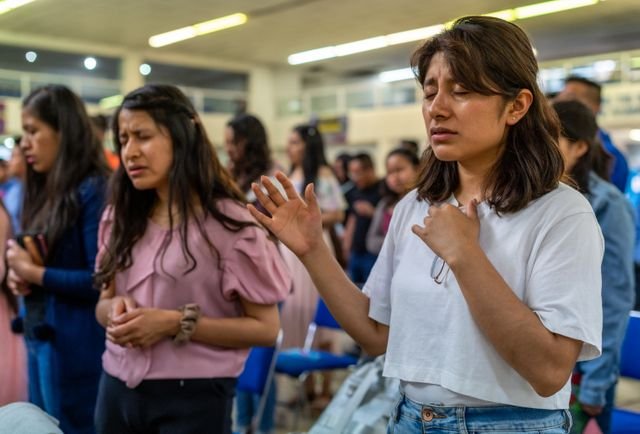
Walking in the Christian faith can bring deep purpose, hope, and a sense of belonging. At the same time, believers often encounter challenges that test their convictions and require them to grow spiritually. These obstacles can come from personal struggles, cultural pressures, or difficult life circumstances. Understanding these common challenges can help Christians navigate them more effectively and find encouragement in knowing they are not alone.
1. Reconciling Doubt and Belief
Doubt is one of the most common experiences among Christians, yet many people feel uncomfortable talking about it openly. Questions about God’s existence, the meaning of certain biblical passages, or the reality of suffering can create uncertainty and inner conflict. Some believers fear that admitting doubt will make them appear weak in their faith or invite criticism from others within their church community.
In reality, doubt and faith often exist side by side. Many respected Christian leaders throughout history wrestled with difficult questions while maintaining a sincere commitment to God. Honest exploration of spiritual questions can lead to a deeper and more mature faith. Finding mentors, pastors, or faith communities where questions are welcomed rather than discouraged can make a significant difference in how believers navigate seasons of uncertainty.
2. Maintaining Faith During Personal Hardship
Life’s difficulties can create some of the greatest tests of faith. Serious illness, financial stress, grief, family conflict, and other hardships often lead Christians to ask why suffering exists and why God allows painful experiences to occur. These questions become especially difficult when prayers seem unanswered or circumstances do not improve despite sincere faith.
Many believers find comfort in biblical accounts that openly address suffering. Books such as Job and many of the Psalms demonstrate that pain, frustration, and honest questioning are common parts of the spiritual journey. Support from trusted friends, church communities, and counselors can also provide encouragement during difficult seasons. While hardship rarely feels meaningful in the moment, many Christians later reflect on these experiences as times when their faith became stronger and more deeply rooted.
3. Balancing Faith with Modern Culture and Values
Christians often face tension between biblical teachings and contemporary cultural perspectives. Topics such as sexuality, gender identity, ethics, social issues, and public expressions of faith can create situations where believers feel caught between their convictions and societal expectations. Some Christians worry about being criticized for their beliefs, while others struggle to understand how their faith should influence their views on modern issues.
The broader global context of faith under pressure is documented extensively through research and advocacy surrounding Christian Persecution, which highlights how believers in many parts of the world face social, legal, and even physical consequences for practicing their faith.
Navigating these challenges requires thoughtful reflection, humility, and a willingness to engage with both Scripture and contemporary issues carefully. Christians often benefit from respectful conversations with people who hold different perspectives and from studying how fellow believers approach these questions with wisdom and grace.
4. Addressing Hypocrisy and Institutional Failures
Many Christians experience disappointment when church leaders or fellow believers fail to live according to the values they profess. Instances of moral misconduct, abuse of authority, financial scandals, or divisive behavior can undermine trust and leave people questioning their involvement in a faith community.
These situations can be especially painful because they involve people and institutions that are expected to model integrity and compassion. Some believers may find themselves struggling to separate their faith in God from their disappointment with church organizations or individuals.
A healthy response often involves recognizing that Christianity acknowledges human imperfection while still calling people toward growth and accountability. Seeking communities that value transparency, humility, and responsible leadership can help restore trust. For many Christians, maintaining a relationship with God while honestly confronting institutional shortcomings becomes an important part of spiritual maturity.
5. Finding Time and Motivation for Spiritual Practices
Modern life is filled with demands that compete for attention. Work responsibilities, family obligations, social commitments, and constant digital distractions can make it difficult to maintain regular spiritual habits such as prayer, Bible study, worship, and reflection.
Many Christians feel discouraged when they are unable to maintain the routines they desire. However, spiritual growth is often more sustainable when believers focus on consistency rather than perfection. Even small, daily practices can strengthen faith over time.
Some people find success by incorporating prayer into their daily routine, listening to Scripture during commutes, joining a Bible study group, or setting aside a few moments each day for reflection. The goal is not to create a flawless routine but to cultivate ongoing connection with God in ways that fit naturally into everyday life.
Conclusion
Christians face a variety of challenges throughout their spiritual journey, including doubt, suffering, cultural pressures, institutional disappointments, and the demands of daily life. These struggles are not signs of failure or evidence of weak faith. Rather, they are common experiences shared by believers across generations and cultures.
By approaching these challenges with honesty, seeking support from trusted communities, and remaining committed to spiritual growth, Christians can develop deeper resilience and a stronger relationship with God. Understanding that these obstacles are both common and navigable can provide reassurance, helping believers move forward with greater confidence, wisdom, and faith.